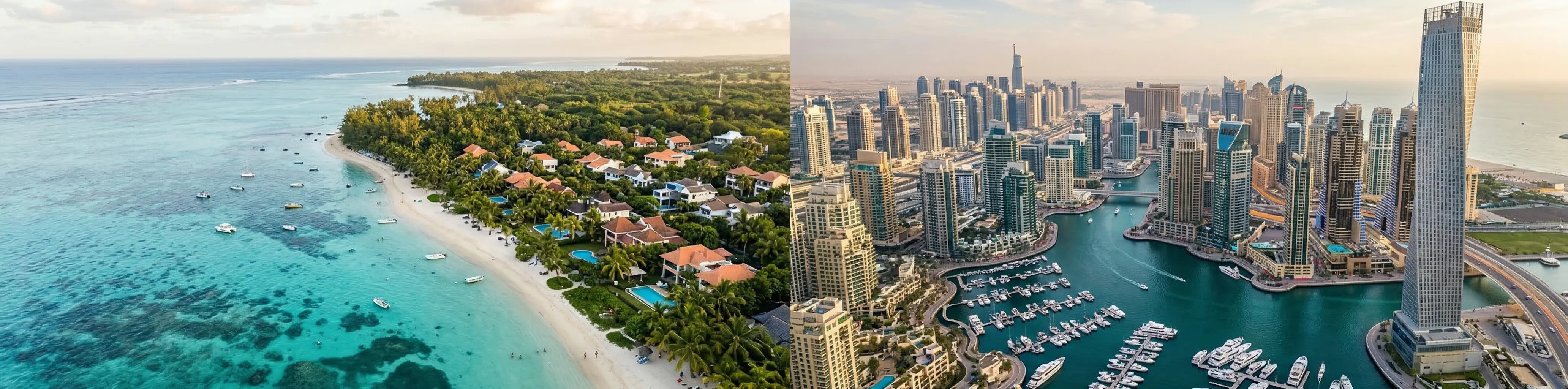
What if you traded gray commutes and 40% tax brackets for warm mornings by a turquoise lagoon? Every year, more expats from the UK, Europe, South Africa and beyond ask the same question: why move to Mauritius? The answer is a rare mix of low taxes, safety, sunshine and an easy, English-speaking lifestyle. Here are the nine reasons that win them over, and the visas that make it possible.
1. A simple, low-tax system
Tax is often the first reason expats move to Mauritius, and it is easy to see why. The island runs a famously simple regime with a progressive personal income tax (0% up to Rs 500,000, then 10%, 20% up to Rs 12M and 35% above), well below the marginal rates that push high earners toward 40% or more in the UK, much of Europe or South Africa.
- Progressive personal income tax (0% up to Rs 500,000, then 10%, 20% up to Rs 12M and 35% above)
- No wealth tax and no annual property tax
- No inheritance or estate tax
- No capital gains tax on property or investments
- No tax on dividends paid by Mauritian companies
Mauritius has also signed double-taxation treaties with more than 45 countries, so many expats are not taxed twice on the same income. If you run a business, the investor permit pairs residence with a corporate-friendly 15% company tax environment.
Did you know?
Becoming a Mauritian tax resident generally means spending at least 183 days a year on the island, or being present for 270 days across three tax years. Your global tax outcome depends on your nationality and the relevant treaty, so it is worth getting personalized advice before you move.
2. An independent, stable country
Mauritius is not a French or British overseas territory, a common misconception. It has been an independent country since 1968, with a stable parliamentary democracy, solid institutions and a long track record of peaceful transitions of power. That political stability is exactly what reassures expats moving life savings and families abroad.
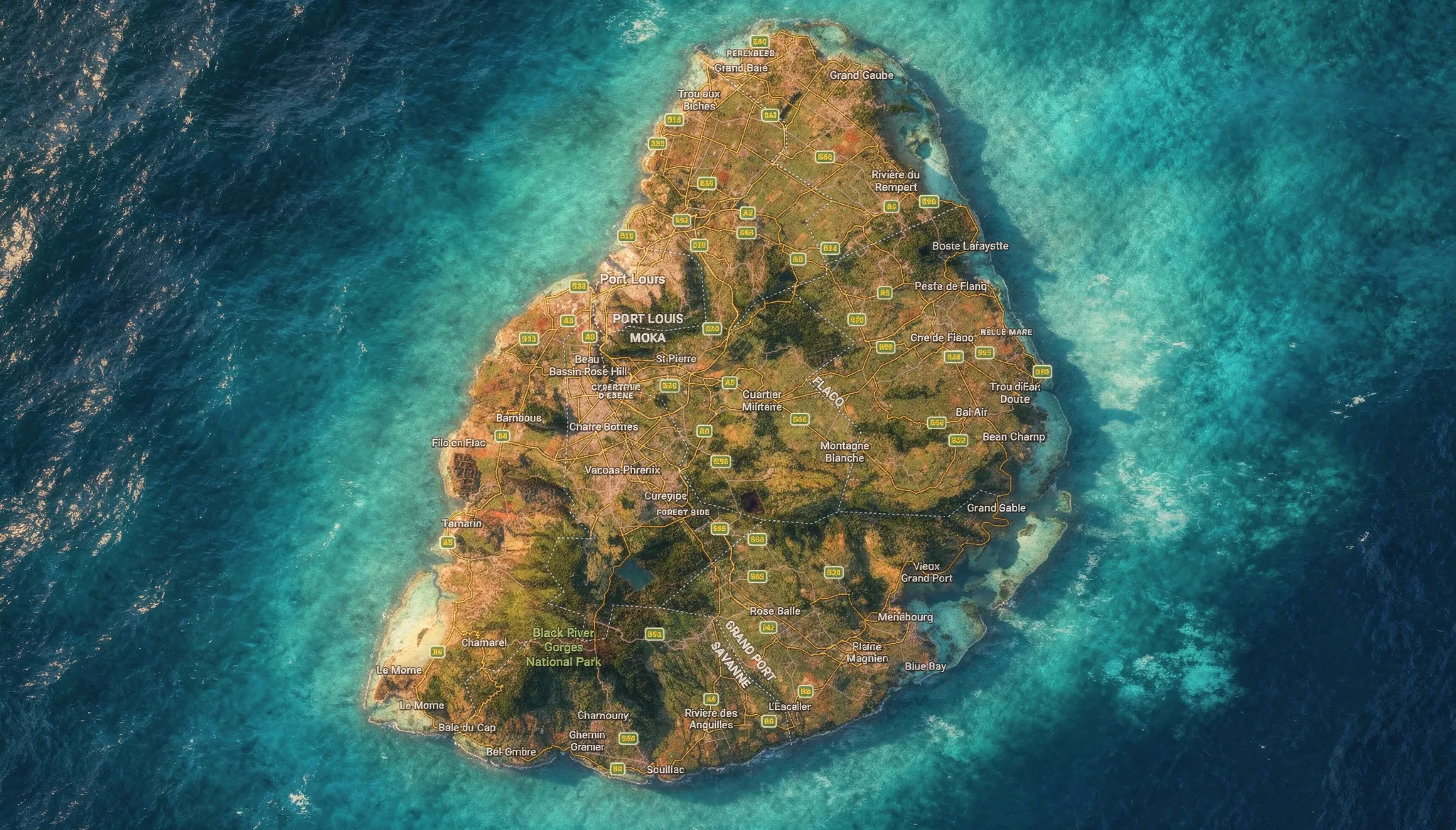
Sitting around 2,000 km off the southeast coast of Africa, the island also serves as a recognized regional hub between Africa and Asia, which is why so many international companies base their regional headquarters here.
3. Year-round sunshine
The tropical climate is one of the great everyday luxuries of life in Mauritius. The island enjoys two gentle seasons and warm temperatures all year. During the Northern Hemisphere winter, Mauritius is in full summer at around 28-32°C, while the austral winter from June to September stays mild and swimmable, rarely dropping below 18°C.
Picture it: while London or Johannesburg shivers in July, you are having lunch with your feet in the sand under a generous sun. For many expats, that single contrast is what tips the decision.
4. Stunning nature on your doorstep
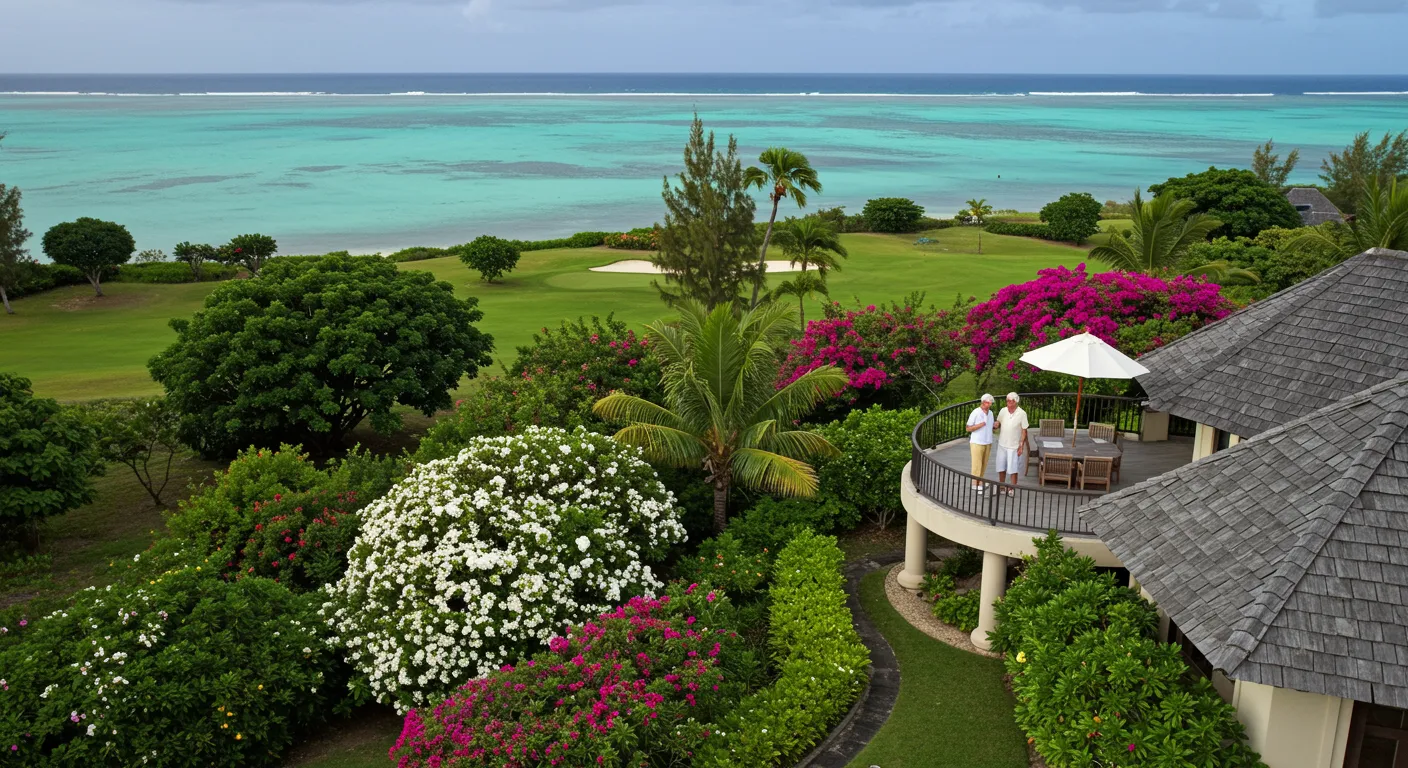
Mauritius packs an extraordinary variety of landscapes into a small island: white-sand beaches fringed by casuarina trees, a crystal-clear lagoon shifting from turquoise to emerald, and green mountains draped in tropical forest.
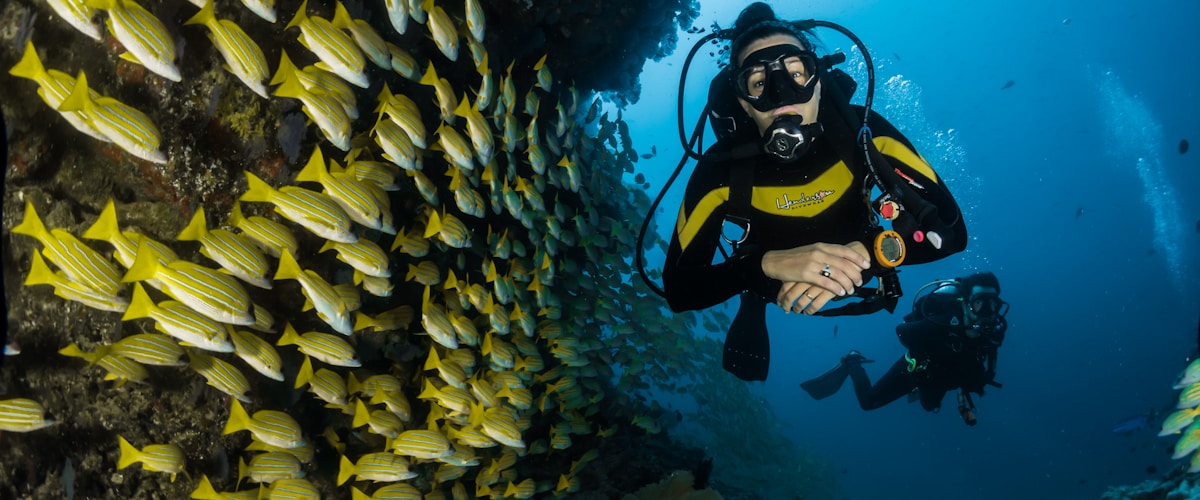
There is no shortage of things to do: hiking the Black River Gorges, diving the coral reefs, swimming with dolphins off Tamarin, or visiting the Chamarel waterfall and the famous Seven Coloured Earths. Weekends here are spent outdoors rather than indoors.
5. An English-speaking, multicultural island
One reason Mauritius is so easy for newcomers: English is an official language, used in government, business, schools and the courts. French and Mauritian Creole are spoken everywhere too, so paperwork and daily life feel familiar from day one, a major advantage over many other tropical destinations.
The island is also a genuine cultural mosaic, blending Hindu, Muslim, Franco-Mauritian, Creole and Sino-Mauritian communities. That diversity shows up in the calendar of festivals, the food and the architecture, and it makes Mauritius an unusually welcoming place to land.
6. A lower cost of living in Mauritius
Compared with most Western countries, Mauritius offers a noticeably lower cost of living while keeping a high standard of comfort. Local produce, eating out, services and rent are all cheaper, though imported and Western-brand goods can cost more. Here is a realistic snapshot:
- Lunch at a local restaurant €8 - €15
- 2-bed apartment rental in Grand Baie €700 - €1,200 / month
- Part-time household help €250 - €350 / month
- Gas around €1.20 / liter
A couple living comfortably typically budgets €2,000 to €3,000 per month, including good housing and leisure. Combined with the low, progressive income tax (0–20%, 35% above Rs 12M), your money simply goes further.
7. Safety and modern infrastructure
Mauritius is consistently ranked among the safest countries in Africa, with low violent crime and a relaxed sense of personal security that many expats notice immediately. Strict regulation keeps trafficking and serious crime in check.
Infrastructure is modern too: well-maintained roads, an expanding fiber internet network, reliable utilities and a healthcare system with private clinics that meet international standards. Many doctors are trained in the UK, France or South Africa and speak English fluently.
Good to know
Public hospitals are free for residents but can be busy. Most expats take out international health insurance to access the best private clinics, typically budgeting USD 200 to USD 450 per month depending on age and level of cover. For complex care, Reunion Island (with French hospitals) is roughly 35 minutes away by plane.
8. A welcoming expat community
You will not be starting from scratch. Tens of thousands of expats already call Mauritius home, including large British, European and South African contingents alongside long-established French and Indian communities. Active social networks, WhatsApp groups and clubs make it easy to find your feet.
The community organizes regular meetups, networking drinks, hikes and sports tournaments, so integration tends to happen naturally within the first few months. For a region-by-region breakdown of where these communities cluster, see our guide to where to live in Mauritius below.
9. Real economic opportunities
Mauritius positions itself as a financial and technology hub for the Africa and Indian Ocean region. Many multinationals base their regional operations here, and sectors such as tourism, fintech, outsourcing and sustainable development are actively hiring.
For entrepreneurs and freelancers, setting up is refreshingly straightforward, with light formalities and a business-friendly tax environment. Consultants and remote professionals often choose the self-employed permit, while over-50s with passive income lean toward the retirement permit.
Which visa fits your move?
Knowing why to move to Mauritius is the easy part. The next step is choosing the right residence route for your situation:
| Your profile | Recommended route |
|---|---|
| Investor or company owner | Investor permit |
| Freelancer or consultant | Self-employed permit |
| Salaried employee | Work permit |
| Retiree (50+) with passive income | Retirement permit |
Frequently asked questions
Why do so many expats move to Mauritius?
Expats move to Mauritius for a rare combination of advantages: a progressive personal income tax (0% up to Rs 500,000, then 10%, 20% up to Rs 12M and 35% above) with no wealth, inheritance or capital gains tax, year-round tropical weather, one of the safest environments in Africa, an English- and French-speaking population, modern healthcare and a cost of living well below most Western countries.
Is Mauritius a good place to live for foreigners?
Yes. Mauritius is politically stable, safe and welcoming to foreigners, with a large established expat community from the UK, Europe and South Africa. English is an official language, private clinics meet international standards, and several residence permits make it straightforward to settle long term.
How much does it cost to live in Mauritius?
A couple can live comfortably on roughly EUR 2,000 to EUR 3,000 per month, including good housing, groceries, dining out and part-time household help. Imported goods and Western-brand products cost more, but local food, services and rent are noticeably cheaper than in Western Europe.
Do you pay tax in Mauritius as an expat?
Tax residents pay a progressive personal income tax (0% up to Rs 500,000, then 10%, 20% up to Rs 12M and 35% above), with no tax on wealth, inheritance, capital gains or dividends from Mauritian companies. Mauritius has signed double-taxation treaties with more than 45 countries, so many expats avoid being taxed twice. Always confirm your situation with a qualified adviser.
What visa do I need to move to Mauritius?
It depends on your situation. Investors and company owners use the investor permit, freelancers and consultants the self-employed permit, salaried employees the work permit, and over-50s with passive income the retirement permit. Each grants long-term residence; BlueVisa can match you to the right route.
Official sources
Tax and immigration rules are sensitive topics, so always cross-check against the official authorities:
- Economic Development Board (EDB) the official agency for residence and occupation permits
- Mauritius Revenue Authority (MRA) income tax rates and double-taxation treaties
Ready to make the move to Mauritius?
The BlueVisa team guides expats through every step of settling on the island, from choosing the right permit to opening a bank account and finding a home. Whether you need the investor permit, the self-employed permit or the retirement permit, we handle the paperwork so you can focus on your new life.
Discuss my project