What if you swapped gray winters for warm mornings overlooking a turquoise lagoon? Each year, more and more retirees from the UK, Europe, South Africa and beyond choose to retire in Mauritius to make the most of their next chapter. This guide walks you through the visa, the tax benefits, the real cost of living, healthcare and where to settle.
The retirement visa: who qualifies
Mauritius offers a dedicated retirement Residence Permit (officially the Retired Non-Citizen Residence Permit), valid for 10 years and renewable. To retire in Mauritius on this route, you must meet the following conditions:
- Be 50 years old or over
- Transfer a minimum of USD 2,000 per month (or USD 24,000 per year) into a Mauritian bank account
- Prove that the funds originate from abroad and from lawful sources
- Provide a clean criminal record
- Provide a medical certificate confirming the absence of contagious disease
Did you know?
The monthly transfer does not have to come from a pension. It can also be rental income, dividends or any other regular source. After five years on the retirement permit, you may even apply for a 20-year permanent residence permit. For the full eligibility checklist, see our Mauritius retirement permit page.
The tax benefits of retiring in Mauritius
Tax is one of the strongest arguments for choosing Mauritius. The island runs a remarkably simple, low-rate system that appeals to retirees from high-tax countries.
A low, progressive income tax (0–20%, 35% above Rs 12M)
Mauritius taxes personal income on a progressive scale (0% up to Rs 500,000, then 10%, 20% up to Rs 12M and 35% above). That is a major contrast with the marginal rates of 40% or more common in the UK, France or South Africa.
No wealth, inheritance or capital gains tax
- No capital gains tax on property or investments
- No inheritance or estate tax
- No annual wealth tax
- No tax on dividends distributed by Mauritian companies
Your pension and double-taxation treaties
Mauritius has signed double-taxation avoidance agreements with more than 45 countries. Under the UK–Mauritius treaty, for example, a UK state or private pension can be taxable only in Mauritius rather than the UK, so you are not taxed twice. South African and many European retirees benefit from similar treaties.
Good to know
Tax outcomes depend on your nationality, the specific treaty and whether income is remitted to Mauritius. Rules change, so always confirm your situation with a qualified adviser before you move.
The real cost of living in Mauritius
Mauritius offers a noticeably lower cost of living than most Western countries while keeping a high standard of comfort. Here is a realistic monthly breakdown for a retired couple (figures in EUR for reference):
| Item | Monthly cost |
|---|---|
| 2-bed apartment rental (Grand Baie) | €800 - €1,400 |
| 3-bed villa with garden | €1,200 - €2,000 |
| Groceries (couple) | €350 - €500 |
| Dining out (4-6 times/month) | €150 - €250 |
| Part-time household help | €180 - €280 |
| International health insurance | €200 - €450 |
| Electricity + internet | €80 - €150 |
A comfortable monthly budget for a couple typically lands between €2,500 and €3,500, depending on your lifestyle and the standard of your home. Frugal retirees can live well for less; those wanting beachfront luxury will spend more.
Healthcare for retirees
Mauritius runs a two-tier health system that works well for retirees:
- Public hospitals are free for residents but can be busy
- Private clinics meet international standards, with English-speaking doctors often trained in the UK, France or South Africa
International health insurance is strongly recommended so you can access the best private facilities. Budget roughly USD 200 to USD 450 per month depending on your age and level of cover. For complex procedures, Reunion Island (a French department, with French hospitals) is just 35 minutes away by plane, and South Africa is a short flight too.
What the retirement visa does not allow
The retirement Residence Permit carries one key restriction: you cannot take up paid employment or run a business in Mauritius.
If you want to work, freelance or set up a company, you will need a different route, such as an investor permit or a self-employed permit. Many semi-retired expats combine a business plan with their move precisely for this reason.
Best places to retire in Mauritius
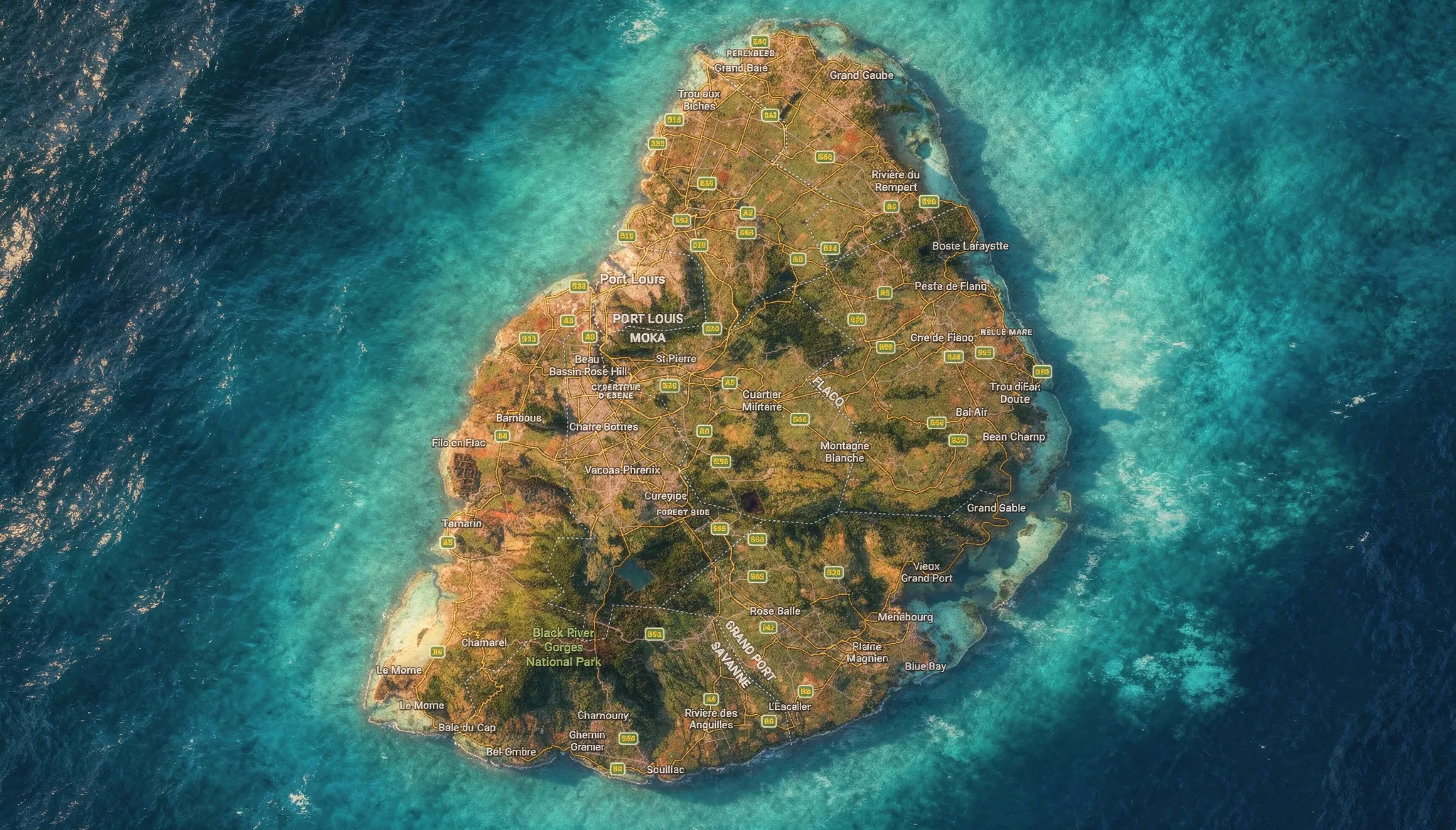
Where you settle shapes your daily life. The most popular regions among retired expats are the North and the West coast:
- Grand Baie (North) the liveliest hub, with restaurants, shops, marinas and excellent private clinics nearby
- Tamarin and Black River (West) a calmer, nature-focused vibe popular with surfers, golfers and hikers
- Flic en Flac (West) long white-sand beaches, an easygoing community and plenty of English speakers
Renting for the first year before buying lets you test neighborhoods. If you plan to purchase a home, our guide to real estate residency in Mauritius explains how property can also unlock a residence permit.
Lifestyle: a retirement in the sun
Day-to-day life as a retiree in Mauritius is, frankly, enviable:
- A warm climate 25-32°C in summer, 18-25°C in the austral winter
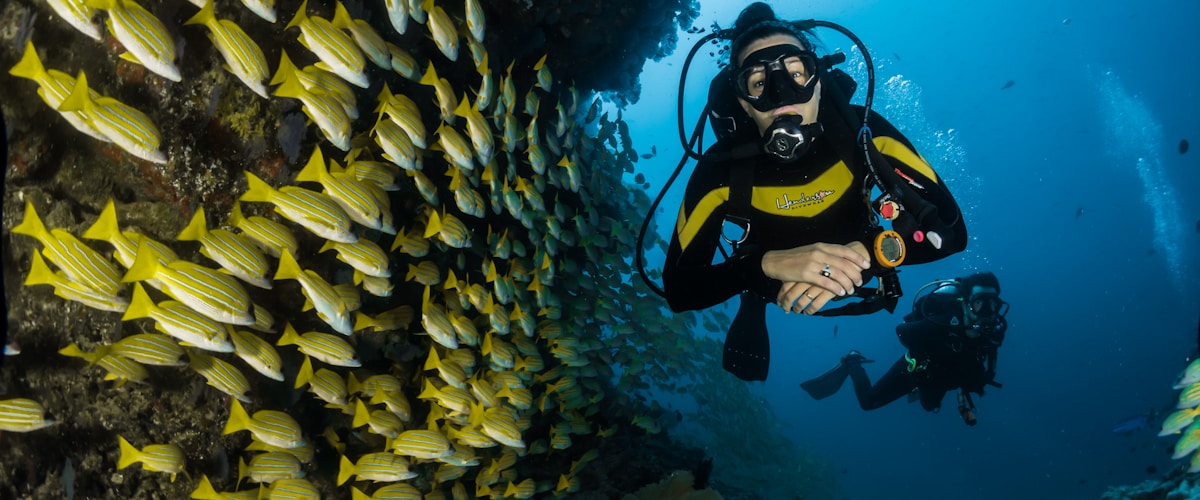
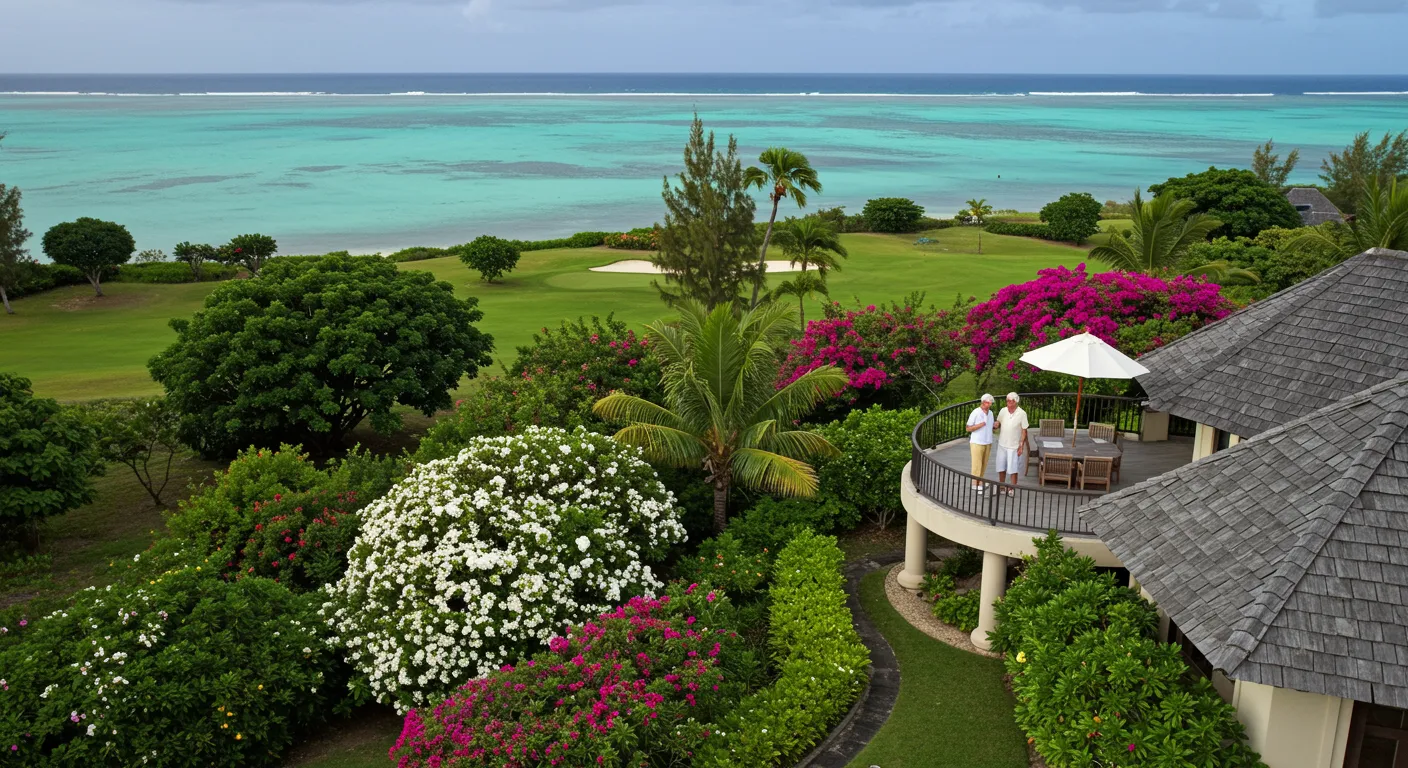
- Endless activities golf, diving, hiking, sailing and fishing
- An English-friendly island English is an official language, so paperwork and daily life are easy for native speakers
- A welcoming expat community active and easy to plug into
- Easy travel Reunion is 35 minutes away, with Madagascar, the Seychelles and South Africa within reach
"After a long career back home, discovering Mauritius was a revelation. Now I swim in the lagoon before breakfast and play golf in the afternoon. My quality of life has been completely transformed."
Steps to settle in
- Scouting trip visit different areas and meet expats already on the island
- Choose your home renting is recommended for the first year
- Open a bank account several banks accept non-residents
- Build your visa file typically 6-8 weeks of processing time
- Plan your move allow 2-3 months for sea freight if shipping belongings
- Get set up register with your embassy and convert your driving license
Frequently asked questions
What visa do I need to retire in Mauritius?
You need the Retired Non-Citizen Residence Permit. You must be 50 or older and transfer at least USD 2,000 per month (USD 24,000 per year) from abroad into a local bank account. The permit is valid for 10 years and is renewable. Learn more on our retirement permit page.
How much money do I need to retire in Mauritius?
A couple can live comfortably on roughly USD 2,500 to USD 3,500 per month, including quality housing, household help, leisure and dining out. The visa itself only requires proof of USD 2,000 per month transferred from abroad, so most pensioners meet the threshold easily.
Is pension income taxed in Mauritius?
Mauritius applies a progressive personal income tax (0% up to Rs 500,000, then 10%, 20% up to Rs 12M and 35% above) with no inheritance or capital gains tax. Thanks to double-taxation treaties (including with the UK and South Africa), many private pensions are taxable only in Mauritius, often at a lower effective rate than back home. Specialist advice is recommended for your situation.
Can I work on a Mauritius retirement visa?
No, the retirement Residence Permit does not allow paid work or running a business. If you want to work or start a company, you would need an investor permit or a self-employed permit instead.
What is healthcare like for retirees in Mauritius?
Public hospitals are free for residents, and private clinics offer international standards with English-speaking, often UK- or France-trained doctors. International health insurance is strongly recommended, typically USD 200 to USD 450 per month depending on age and cover.
Official sources
Retirement and tax rules are sensitive topics, so always cross-check against the official authorities:
- Economic Development Board (EDB) the official agency for residence and occupation permits
- Mauritius Revenue Authority (MRA) income tax rates and double-taxation treaties
Ready to plan your retirement in Mauritius?
The BlueVisa team guides future retirees through every step, from the retirement permit to finding a home, opening a bank account and settling in. Investing or working? We also handle the investor permit and real estate residency.
Discuss my project