When you move 6,000 miles from home, deciding where to live in Mauritius can feel like the hardest part of the whole adventure. The good news: the island is small, English-friendly and rich in distinct neighborhoods, so there is a corner for every lifestyle and budget. This guide walks you through the best areas for expats, retirees and families, region by region.
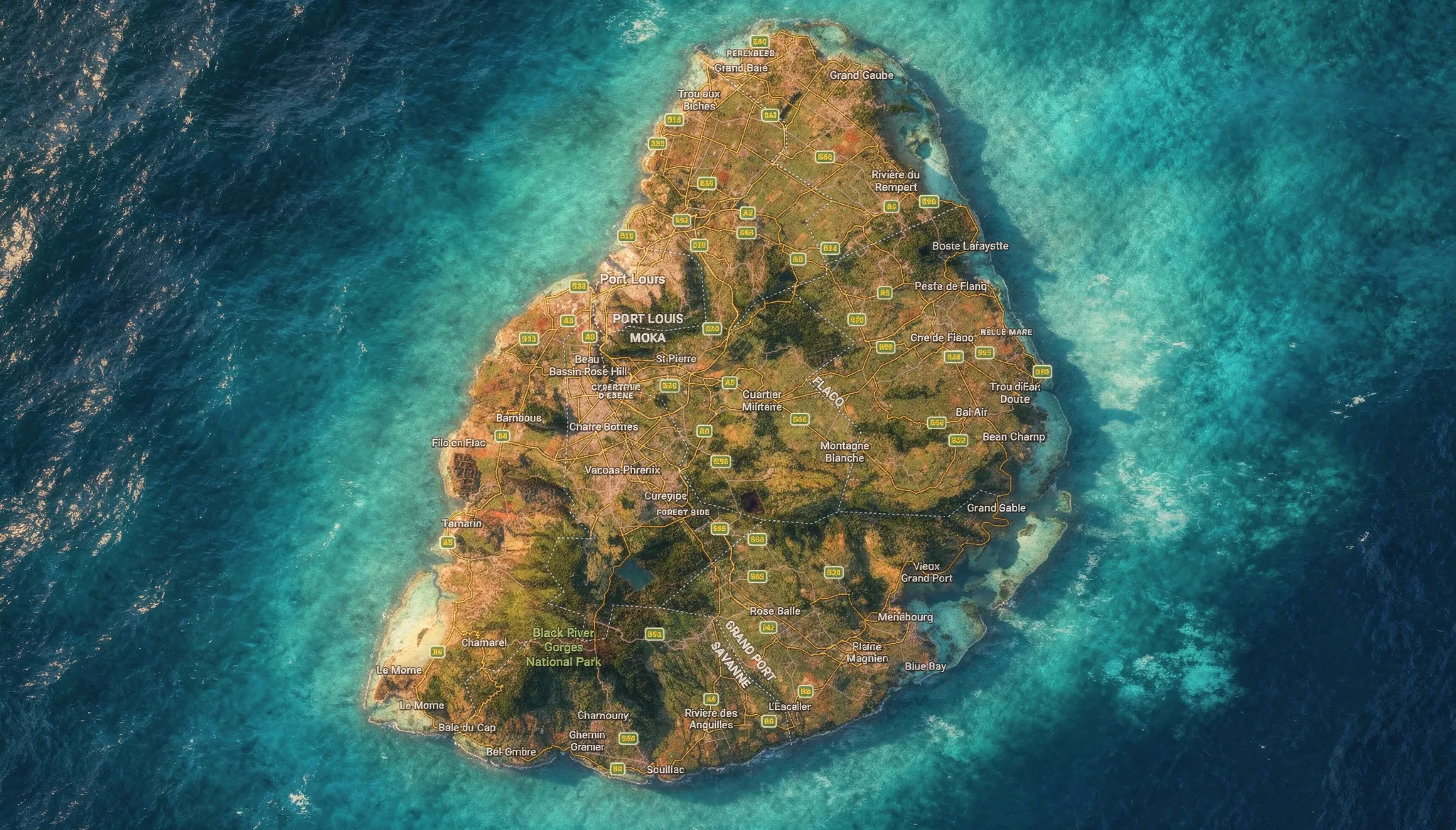
Most expats cluster in three main regions: the North, the West coast and the Centre. Each has its own personality, advantages and trade-offs. Renting before you buy is the smartest way to test a neighborhood before committing.
The North: easy living
The North is historically the favorite region among expats. It is lively, well served by shops and restaurants, and close to some of the island's finest beaches. If you value convenience and a buzzing social scene, this is your zone.
Grand Baie
The unofficial "capital" of the North, often nicknamed the St Tropez of Mauritius. Grand Baie packs in supermarkets, restaurants, boutiques, marinas, nightlife and excellent private clinics nearby. It is the obvious choice if day-to-day practicality matters most.
Indicative rent: €900 - €1,600 per month for a 3-bedroom
Pointe aux Canonniers
The smart, residential corner of the North. Spacious villas with gardens and a peaceful feel, just minutes from Grand Baie. Ideal for families who want quiet and a higher standard.
Indicative rent: €1,400 - €2,200 per month • beachfront villas: €2,800+
Mont Choisy and Trou aux Biches
A fast-developing stretch with a well-known 18-hole golf course, one of the island's most beautiful beaches and crystal-clear lagoons. Quieter than Grand Baie but still close to its shops and services, with a relaxed, beach-town feel.
Pereybere and Cap Malheureux
North of Grand Baie, these villages offer a calmer pace. Pereybere has a friendly public beach and charming coves, while Cap Malheureux, with its famous red-roofed chapel, suits those after seafront authenticity, though shops are further away.
Our hidden gem: Calodyne
A peaceful residential area with spacious gardens, about 20 minutes from the shops of Grand Baie. Local services within reach, a preserved village atmosphere and arguably the best value for money in the North.
The West coast: wild nature
The West coast wins hearts with its dramatic scenery: striking mountains, spectacular sunsets and a stunning lagoon. It draws a calmer, more outdoorsy crowd of surfers, golfers and hikers.
Tamarin and Black River
Famous for a world-class surf break and a resident pod of dolphins, Tamarin attracts a laid-back, sporty expat community. Think bohemian-chic cafes, trendy restaurants and sweeping views of Le Morne. Together with neighboring Black River, it forms the heart of the West coast and is widely seen as the island's trendiest spot.
Flic en Flac
A long white-sand beach stretching nearly 3 kilometers, more affordable rents than Tamarin and an authentic neighborhood life with plenty of English speakers. Fewer expats, more locals, which is exactly what some families love.
Indicative rent: €700 - €1,300 per month for an apartment or small house
The Centre: modern living
For those working in business or tech, the Centre is a practical, well-connected alternative with a cooler climate, away from the coastal heat.
Moka
The most attractive part of the Centre. Just 10 km from Port-Louis and the Ebene business hub, Moka has become the island's nerve center, with a university, schools and research facilities. Rents typically run 30 to 50% below the coast, and the higher altitude means fresher air, a real plus if you struggle with humidity.
Quatre Bornes and Curepipe
Historic central towns close to shops and restaurants, with a cool, sometimes damp climate. Less sought after by beach lovers, but very practical for everyday life and well stocked with schools.
Did you know?
Buying property in Mauritius can do more than give you a home: under approved schemes, a qualifying purchase can also unlock a residence permit for you and your family. See our guide to real estate residency in Mauritius for the thresholds and eligible programs.
The East: preserved authenticity
The East coast has stayed almost untouched, with very few shops and no international schools. It appeals to those who put tranquility and raw natural beauty above everything else.
- Roches Noires a breathtaking lagoon 25-30 minutes from Grand Baie, with beach houses for those who want the wild East while staying connected to the North
- Poste Lafayette a beautiful little village and a well-known kitesurf spot thanks to its steady wind, for nature and watersports lovers
- Belle Mare a prestigious stretch of luxury hotels, but a long way from everything, better suited to seasonal stays than family life
How to choose where to live in Mauritius
There is no single best place to live in Mauritius, only the best fit for your priorities. A few quick pointers:
- For convenience and social life the North, especially Grand Baie
- For nature, sport and calm the West coast, around Tamarin and Black River
- For families and schools the North, West or Moka in the Centre
- For a cooler climate and budget Moka, Quatre Bornes or Flic en Flac
- For total peace and quiet the East, around Roches Noires and Poste Lafayette
Good to know
Rents shift with the season and the exchange rate, and the best villas go fast. Spend your first year renting before you buy: it lets you test commutes, schools and the local vibe before committing to a neighborhood, and saves costly mistakes.
Matching your area to your move
Where you settle often goes hand in hand with the route you take to move here. If you are retiring in Mauritius, the North and West offer the easiest day-to-day life and the best private clinics. If you are investing or buying property, real estate residency lets your home double as your residence permit. Entrepreneurs and remote workers near Ebene often favor Moka, while those on an investor permit tend to base themselves wherever their business needs them.
Frequently asked questions
Where is the best place to live in Mauritius for expats?
The North (Grand Baie and around) and the West coast (Tamarin, Black River, Flic en Flac) are the two most popular regions for expats. The North offers the most amenities, nightlife and private clinics, while the West is calmer and nature-focused. The Centre (Moka) suits those who work in business or tech and want a cooler climate.
Where should I live in Mauritius with a family?
Families tend to choose the North (Grand Baie, Pointe aux Canonniers), the West (Tamarin, Flic en Flac) or the Centre (Moka) for their proximity to international and French-curriculum schools, pediatric clinics and family-friendly amenities. Moka is especially popular for its cooler air, green setting and good schools.
What is the cheapest area to live in Mauritius?
Flic en Flac on the West coast and the Centre (Moka, Quatre Bornes) offer the most affordable rents, often 30 to 50 percent below coastal hotspots. You can find apartments from around €700 per month, against €1,400 or more for a villa in Grand Baie or Tamarin.
Where is the best nightlife and social scene in Mauritius?
Grand Baie in the North and Tamarin in the West concentrate the island's restaurants, bars and expat social life. Grand Baie is the liveliest hub, while Tamarin offers a more laid-back, surf-village vibe with a tight-knit community.
How much is rent in Mauritius for an expat?
Budget roughly €700 to €1,600 per month for a two- or three-bedroom apartment or house, depending on the area. Premium zones such as Pointe aux Canonniers or beachfront villas in Tamarin can reach €2,200 per month or more for a sea-view property.
Need help finding your spot in Mauritius?
The BlueVisa team knows the island inside out and matches your move to the right area. We guide you on the retirement permit, real estate residency and the investor permit, then help you settle into the neighborhood that fits your life.
Discuss my project